What is an ARkStorm?
ARkStorm is short for Atmospheric River 1,000. It’s the name the U.S. Geological Survey gave a storm scenario it published in 2011: a run of severe winter storms like those of 1861–62, hitting the California we live in now.
First, what’s an atmospheric river?
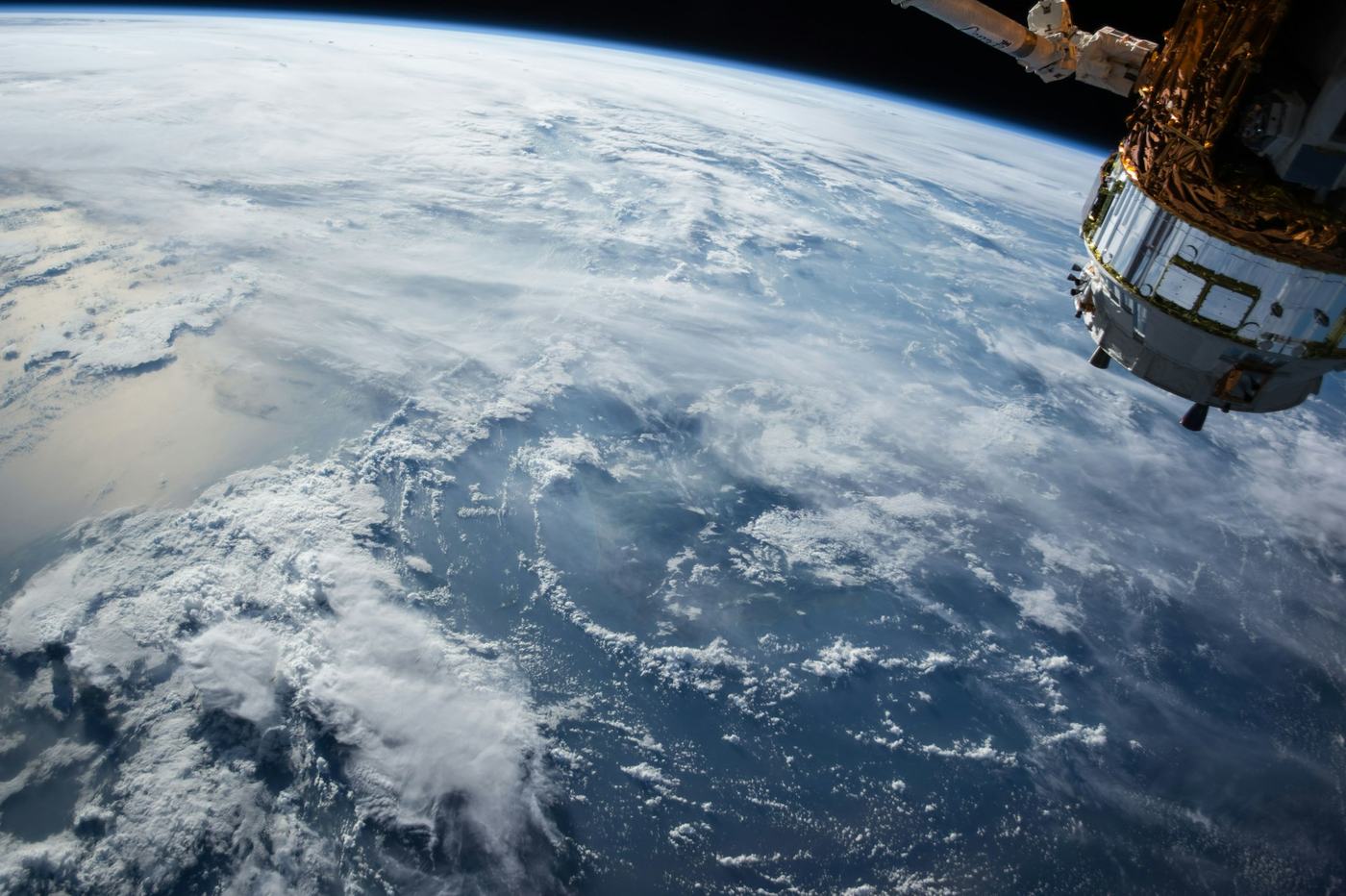
An atmospheric river is a long, narrow band of moisture high in the sky. It carries water vapor across the Pacific toward the coast, like a river with no banks.
When one runs into California’s mountains, the water falls out as rain and snow. Most winters that’s good news, because these storms fill the reservoirs. The trouble starts when they arrive one after another and the ground, the rivers and the levees can’t keep up.
The first study: what would 1862 do to modern California?
A team of 117 scientists, engineers, and policy and insurance experts designed a realistic storm, then followed the damage through: floods, landslides, power, water, roads and the economy.
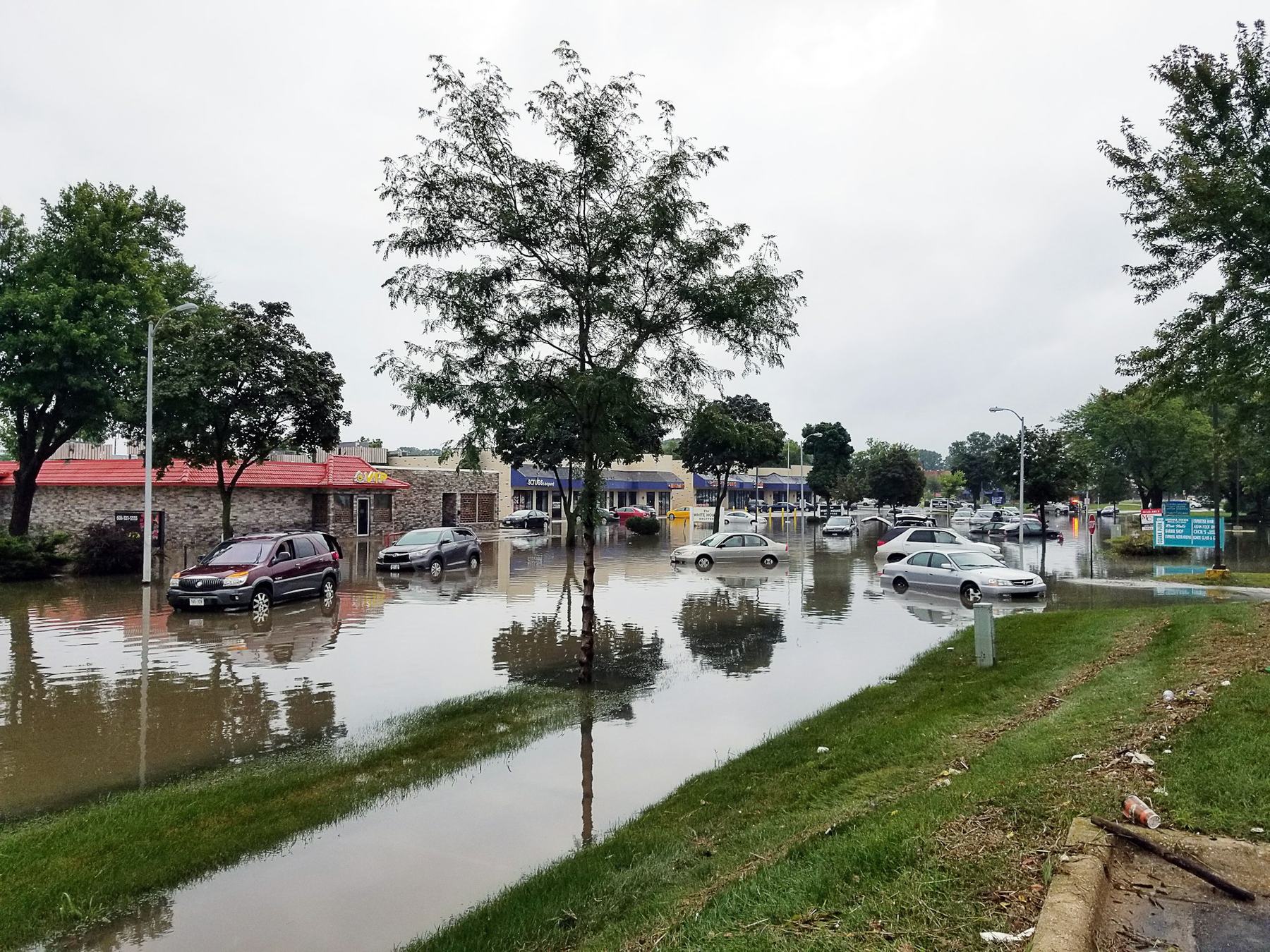
What it would cost: about $725 billion
- That’s nearly three times the loss in USGS’s own scenario for a severe Southern California earthquake.
- Only $20 to $30 billion of the property loss would be recoverable through insurance.
- California’s flood defenses are typically built for 100- to 200-year runoffs. This storm overwhelms them in many places.
The update: the same storm in a warmer climate.
In August 2022, climate scientists Xingying Huang and Daniel Swain published the first part of ARkStorm 2.0. They built two month-long storm scenarios: one drawn from the recent climate, and one from the warmer climate expected late this century.
“In the future scenario, the storm sequence is bigger in almost every respect.”
Still California only
Like the first study, the update looks only at California. It doesn’t follow the damage past the state line.
What the 2011 report said should happen.
-
01
Test the plans.
The report raised serious questions about whether existing federal, state and local disaster plans could handle a disaster this size.
-
02
Pay now or pay later.
A core question it posed: spend now to reduce the damage, or pay a lot more later for recovery.
-
03
Tell the public.
It said common messages to educate the public about the risk could be developed and consistently communicated. That’s why this site exists.
Sources
- Porter, K., and others (2011). Overview of the ARkStorm Scenario. U.S. Geological Survey Open-File Report 2010-1312.
- Huang, X., and Swain, D. L. (2022). Climate change is increasing the risk of a California megaflood. Science Advances.
- UCLA Newsroom (August 12, 2022). Climate change makes catastrophic flood twice as likely, study shows.
- Spectrum News 1 (September 15, 2022). Climate change is increasing the chances of a California megaflood.
- U.S. Geological Survey. ARkStorm (film).